Projects
IDRIJA UNESCO GLOBAL GEOPARK

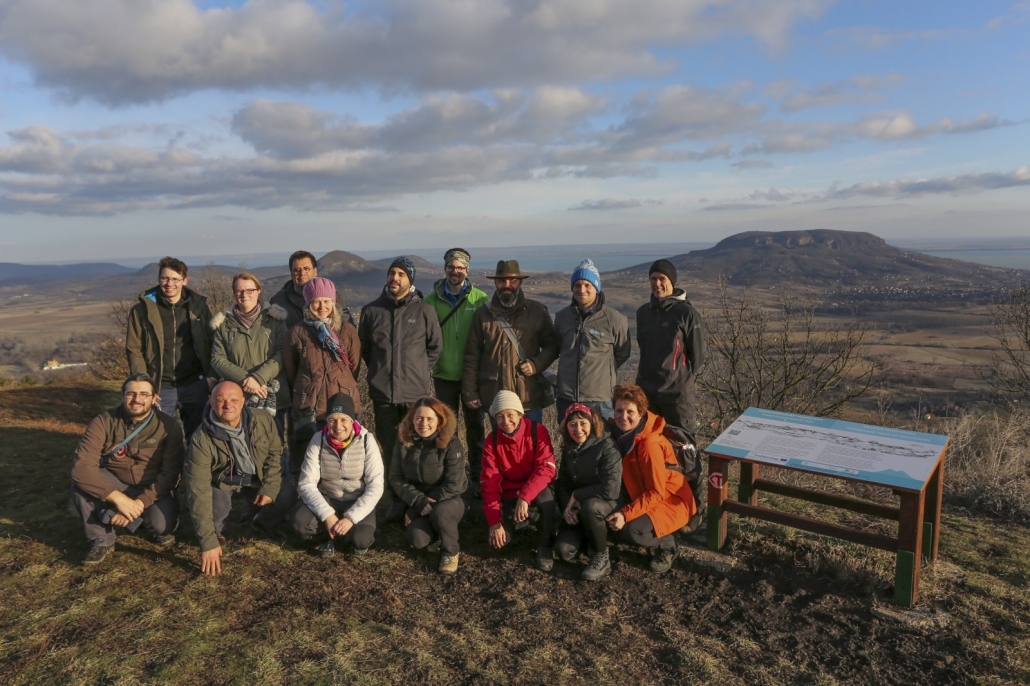
Danube GeoTour Plus builds on established collaboration of 9 geopark partners of diverse institutional background, 2 research and education partners and 18 ASPs. Results of the previous project indicate new trends that embrace the geoparks’ future and still untapped heritage potential. Depopulation of rural areas, marginalisation of certain resident groups, signs of increased tourism demand on hidden heritage gems, and on the other side, competence, management, product and visitor infrastructure gaps raise the key CHALLENGES in front of the Danube geoparks. Their rural territories encompass 416 municipalities in 9 countries over a surface of 14,601 km2. During the last decade, geoparks have lost 6% of the population and increased visits by 77%, from 317000 to 562000.
The project thus AIMS to capitalise and further exploit the recently developed common Danube GeoTour tourism product, its vast heritage potential and existing geopark territorial development model so as to enhance the sustainable tourism opportunities of remote rural communities and to become more inclusive and appreciated by residents and visitors, making their products more valuable and natural and cultural assets managed in a more balanced and sustainable manner. To achieve this, the UNESCO geopark territorial development APPROACH will be upgraded with inclusive, innovative and tailor-made solutions in product value design and visitor management, jointly tested and applied in participating geoparks.
This shall result in the following:
• ENGAGEMENT of vulnerable groups into geopark structures, products and services further to a common engagement strategy and 9 action plans, motivated by new opportunities offered by geoparks and cross-border peer exchanges;
• VALUE GENERATION for local SMEs and raising employment opportunities for vulnerable groups by piloting 9 GeoExperiences as a new participative product development model and functional part of a top-end segment of the Danube GeoTour product and its future cooperation platform;
• BALANCED VISITOR MANAGEMENT based on developed and verified common visitor monitoring solutions for routes, hot spots and larger territories, joint analytical tools and initial visitor redistribution measures.
Intense transnational cooperation in these, for Danube geoparks and similar territories important change processes, will significantly improve competences of all 29 participating organisations coming from 8 member and 3 non-member states, in the field of inclusive integrated territorial development, product (experience) innovation management and smart visitor monitoring.
Danube GeoTour Plus is thus not just another transnational tourism product but it is a path into a collaborative platform that will, after the project closure, assure future sustainability of the Danube GeoTour product and enable permanent networking of the Danube geoparks for common, more sustainable and inclusive territorial goals.
Leading partner: Natur- und Geopark Steirische Eisenwurzen GmbH (Austrija)
Project partners:
Project duration: 1. 1. 2024 – 30. 6. 2026
Total budget: 2.288.015,00 EUR
Budget of Idrija tourist board: 308.525,00 EUR
Project website: https://interreg-danube.eu/projects/danube-geotour-plus
Danube GeoTour Plus, an Interreg Danube Region Programme project co-funded by the European Union.

Geopark Experiences are more than just trips – they are stories waiting to be experienced. Developed through the international Danube GeoTour Plus project, they bring together nine UNESCO Global Geoparks across Europe to create unique, sustainable and authentic experiences.
Each experience connects you with nature, geological heritage, local stories and the people who shape these remarkable landscapes. Through exploration, interactive activities, local flavours and the discovery of hidden gems, you will experience the Danube Region geoparks with all your senses and create memories that will last a lifetime.
Discover all the experiences and choose your next adventure by following the link below.
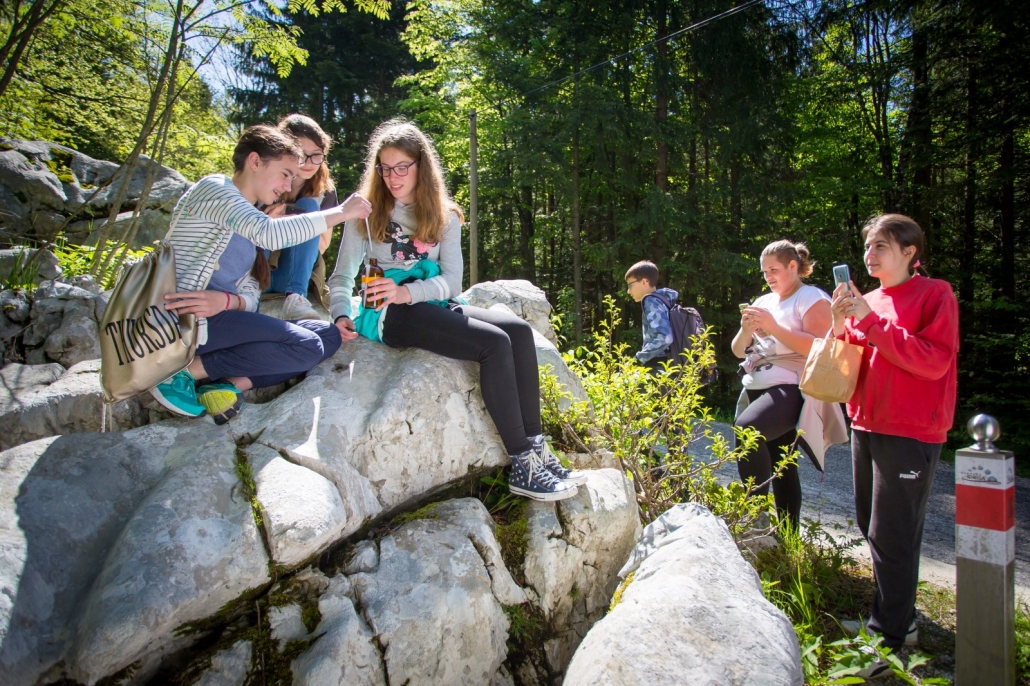
The project GeoExplorer aims to improve the quality of teaching-learning in the high school system through an innovative learning approach that links natural science and language education through Content and Language Integrated Learning method in cross-curricular collaboration (or in the natural science curriculum in respective partners language).
Specific objectives (to): acquire information about the needs, proposals and improvements in science and language education by teachers, study (cross-)curriculums, existing toolkits and materials used in natural science/language teaching of science – ensure high-quality toolbox and methodology of science and language teaching designed in collaboration with teachers, experts in the field of science, interpretation of the natural heritage and in the field of CLIL, increase the frequency and effectiveness of the cross-curriculum integration in the teaching of science and languages, increase level of competence and confidence for teachers, increase level in foreign languages for teachers and pupils, enhance education services of UNESCO Geoparks.
Duration: 1. 11. 2021 – 1. 3. 2024
Total budget: 216.565,00 EUR
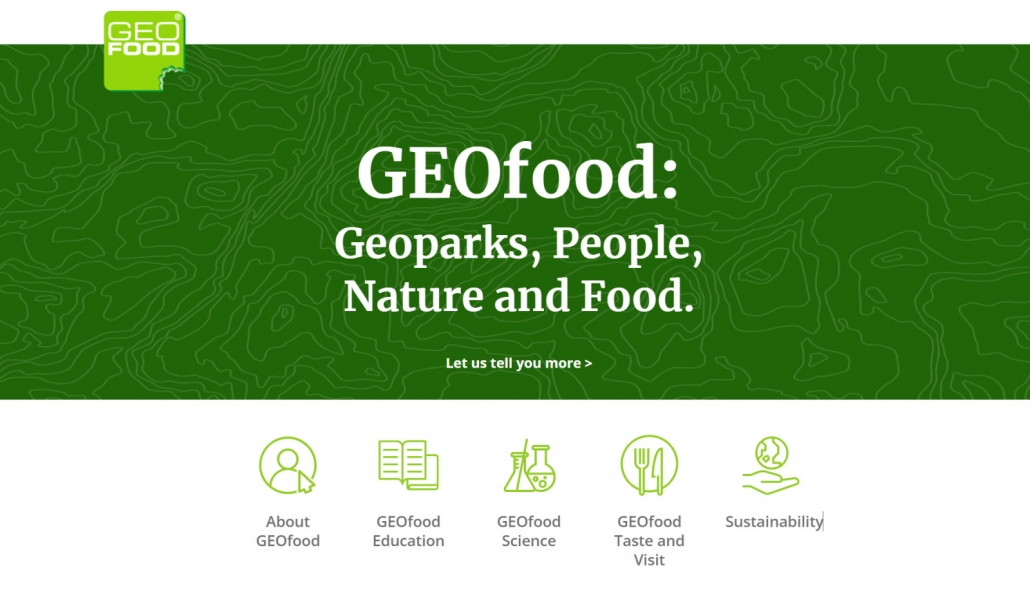
In the last 20 years, the concept of UNESCO Global Geoparks has changed the way geology and geoheritage are seen by the general public. Geoheritage is no longer restricted to specific geosites, and has become the driving force behind local sustainable development, along with other natural and cultural values. In this context, GEOfood was created as an international movement that promotes the connections between local food and geological heritage, so that these can be used to enhance sustainable development in UNESCO Global Geoparks.
GEOfood aims to increase the awareness of geological heritage and its connection to peoples’ livelihoods. GEOfood products are branded to make consumers aware of the strong connection between food production and geodiversity. This project proposes a scientific approach to GEOfood, starting from the connection between geoheritage, geodiversity, ecosystem services, food production and sustainable development.
Based on this study, the project will establish methodologies for GEOfood assessment, implementation and results. It will create procedures, guidelines, printed materials and other tools to implement the concept in 26 areas around the world. The results will then be analysed and diffused in the scientific community as well as in the UNESCO Global Geopark international networks.
We are now 42 members, Geoparks, aspiring Geoparks, Universities, scientists, coming from 22 Countries with the aim of establish a scientific approach to GEOfood, starting from the connection between geoheritage, geodiversity, ecosystem services, foodproduction and sustainabledevelopment.
Duration: 2021 – 2026
The Danube Geotour project, the lead partner of which was the Idrija Geopark, involved a total of 11 partners from the Danube region. The project activities were financed as part of the Interreg Danube Transnational Programme 2014–2020. The main purpose of the project was to improve the strategies and capacities of management in the Danube geoparks, to develop practical solutions for activities based on a rich geological heritage and other natural and cultural monuments, as well as to take advantage of positive market trends for the development of sustainable tourism without negative effects on the environment in the eight geoparks of the Danube region.
The main result of the project is the Danube GeoTour which runs through all the participating geoparks of the Danube region. During the project, a number of new and innovative geoproducts were developed based on a diverse heritage that was presented to the geoparks’ visitors in an interesting and innovative manner. The common innovative product strengthened the collaboration between the geoparks and improved the visibility and recognition of UNESCO Global Geopark in the Danube region and world-wide.
Project duration: 1 Jan 2017−31 Dec 2019
Total budget: 1,666,362.5 €
European Regional Development Fund (ERDF): 1,328,063.36 €
Instrument for Pre-Accession Assistance (IPA): 88,344.75 €
More about the project: http://www.interreg-danube.eu/approved-projects/danube-geotour
The ESTEAM project included six European partners. Its activities were co-financed by the EU Erasmus+ program. The lead coordinator of the project was the Idrija UNESCO Global Geopark (the Idrija Tourism Board). The main purpose of the project was to improve the quality of education of natural science in the school system by using innovative methods combining interactive learning with outdoor activities. Based on an analysis of national school curricula and the needs of teachers and students, the project partners prepared a mobile application called TeachOUT to teach natural science in elementary schools.
Project duration: 1 Sep 2016–31 Aug 2019
Budget: 380,371 €
More about the project: https://www.esteamproject.eu/

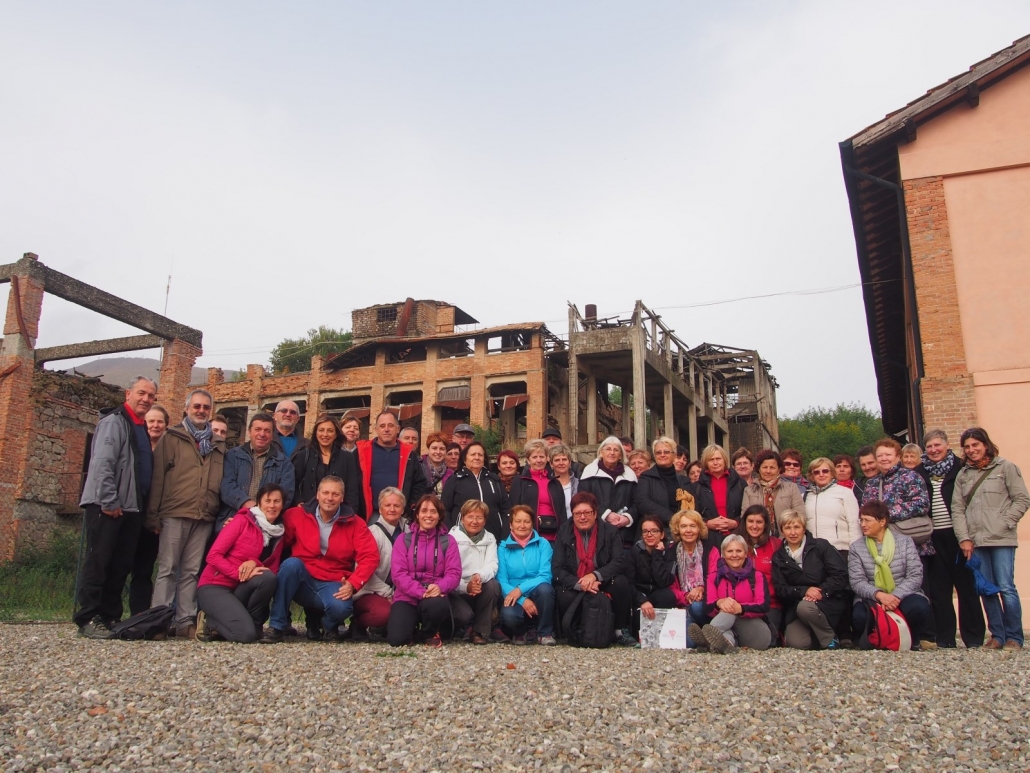
The RurALL project (RurALL – Together – For the Future of European Rural Areas) was financed by the Europe for Citizens Programme of the European Union. The project activities connected the inhabitants of two municipalities: Idrija and Abbadia San Salvatore. The two municipalities had already collaborated as project partners in the past. Both areas share a history of mining and are currently resolving the environmental consequences of mining as well as facing the challenges of preserving a rich technological mining heritage and developing sustainable forms of tourism by combining mining and rural heritage. It was for this purpose that the municipalities decided to strengthen and upgrade their collaborative efforts so far.
The main purpose of the project was the interconnection of the inhabitants of the rural areas of both municipalities in order to foster collaboration and good practices of preserving rural heritage, as well as create possibilities for common development of forms of sustainable rural tourism and active collaboration of rural communities in the shaping of European policies.
Duration: 1 Jul 2016–20 Apr 2017
Budget: 10,000 EUR
NatureTalks is an Erasmus+ cooperation project focused on strengthening heritage interpretation (HI) skills among professionals working in protected areas. The project aims to support the sustainable management of natural and cultural heritage by improving visitor engagement, communication practices and the use of innovative interpretation methods and digital tools.
Through international cooperation, the project develops a comprehensive training offer consisting of an online course, learning labs, open educational resources and practical tools tailored to the needs of protected area staff. NatureTalks promotes a transdisciplinary approach that combines heritage interpretation, sustainable tourism, visitor management, communication and digitalisation. By enhancing the competences of professionals working in protected areas, the project contributes to improving visitor experiences, supporting nature conservation goals and strengthening the role of protected areas as places of learning, engagement and sustainable development.
Project duration: October 2025 – March 2028
Total budget: EUR 250.000